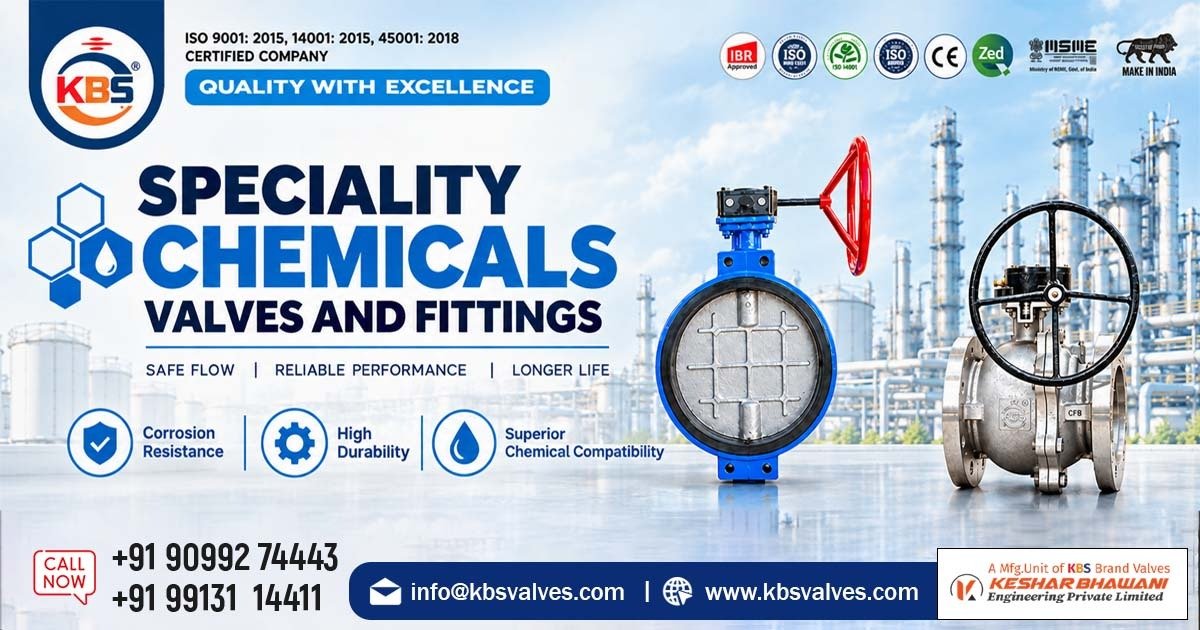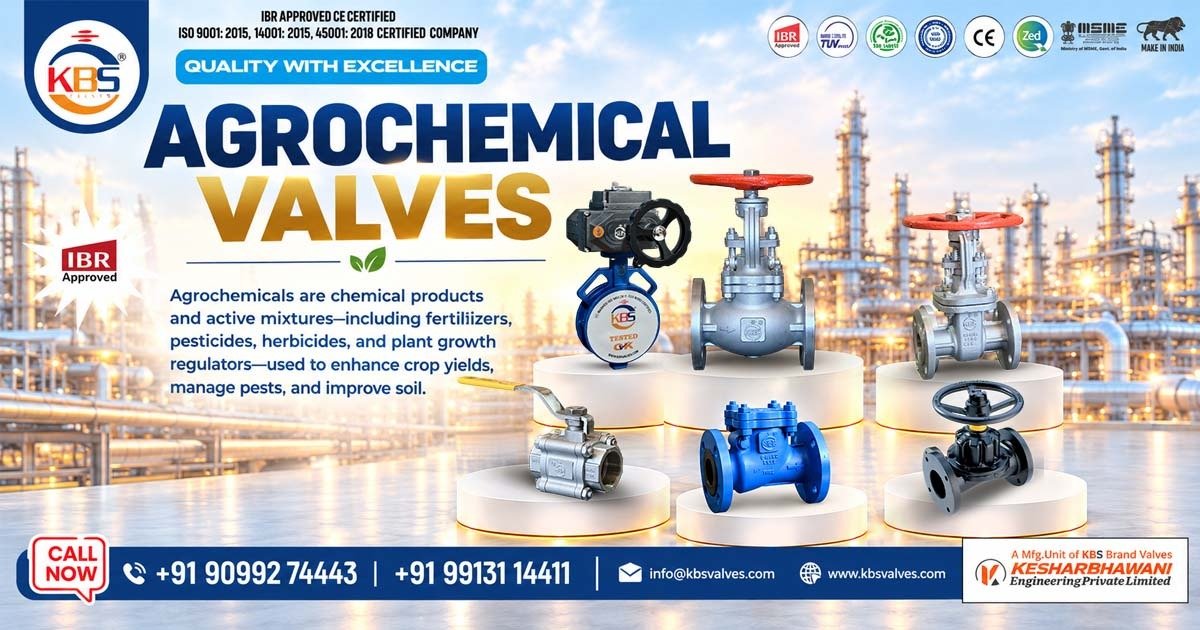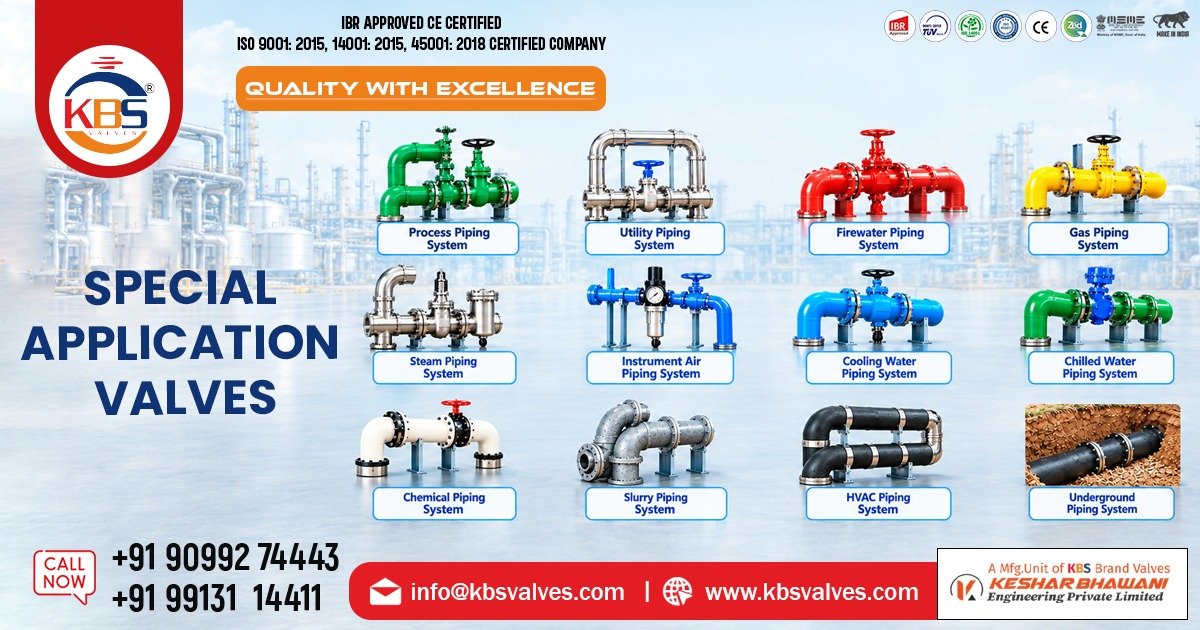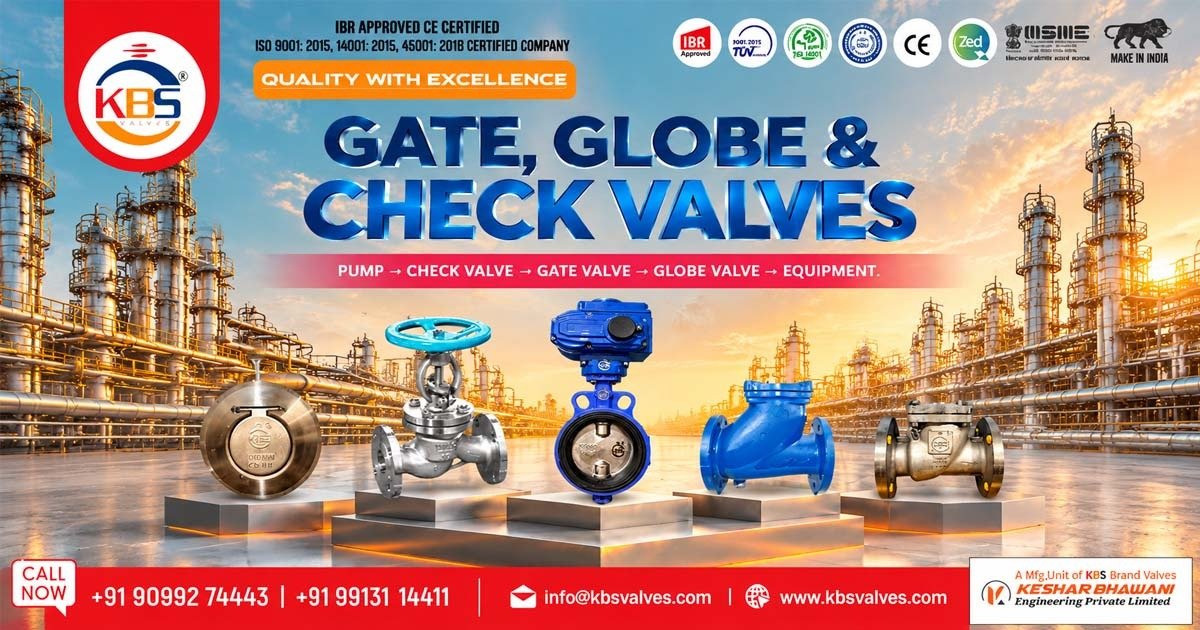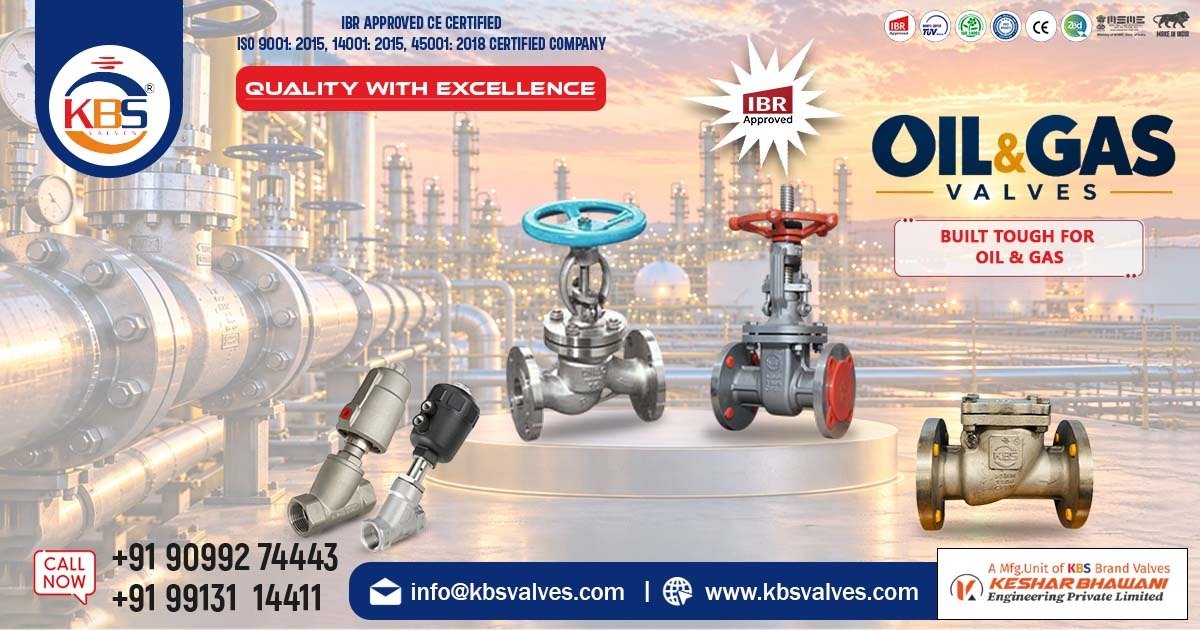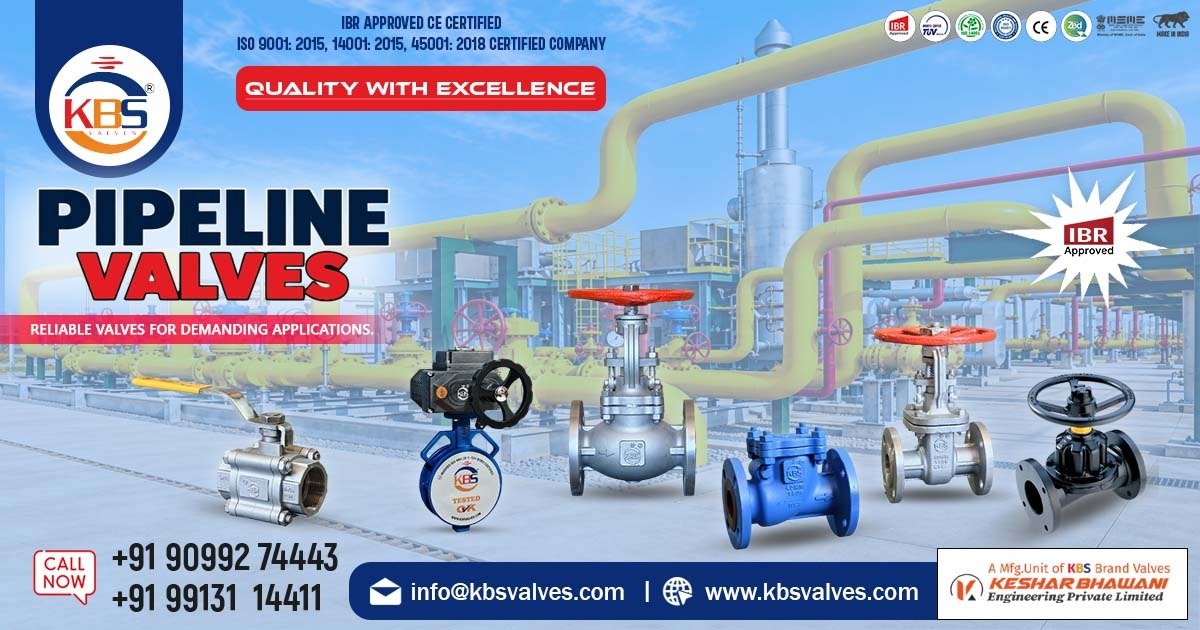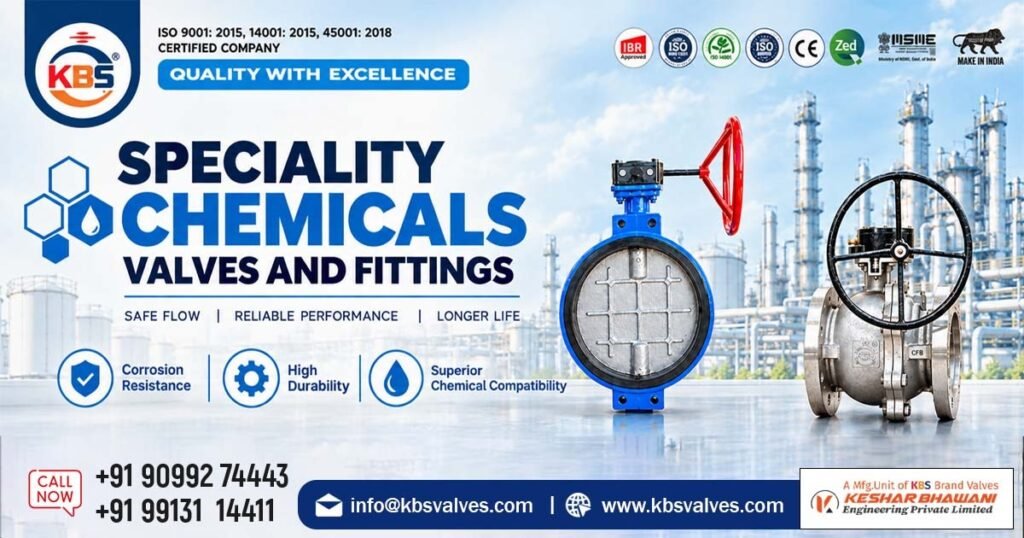
KBS Valves is a reliable Speciality Chemical Valve Supplier offering application-focused valve solutions for demanding chemical handling, process, utility, and industrial applications.
KBS Valves selects its valves based on fluid characteristics, pressure, temperature, corrosion risk, pipeline configuration, flow requirements, and operating conditions.
Speciality Chemical Valves for Corrosive Applications
Chemical processes often involve aggressive, corrosive, hazardous, or high-temperature fluids. The right valve helps maintain process safety, reliable flow control, equipment protection, and operational efficiency.
KBS Valves supports speciality chemical valve requirements for:
- Corrosive chemical fluids and process media.
- High-temperature and high-pressure applications.
- Chemical processing and manufacturing plants.
- Process and utility pipelines.
- Firewater and industrial service systems.
- Gas handling and distribution pipelines.
- Critical isolation and flow-control applications.
- Mixing, splitting, and diverting process flows.
- Applications requiring material compatibility and dependable sealing.
3-Way Ball Valve for Chemical Flow Control
A 3-way ball valve uses a perforated spherical ball inside the valve body to control fluid and gas flow through three connection ports. Rotating the ball using a manual handle or automated actuator changes the internal flow path.
Depending on the ball configuration, a 3-way ball valve can direct, split, mix, or divert process media between different pipeline connections.
These valves can be selected for chemical applications where flexible flow routing is required.
T-Port 3-Way Ball Valve for Mixing and Splitting
A T-port 3-way ball valve has a T-shaped intersecting passage through the internal ball. This configuration allows multiple flow pathways depending on the ball position.
A T-port valve can:
- Connect multiple ports simultaneously.
- Combine two incoming chemical streams into one outlet.
- Split one incoming stream into two separate flow paths.
- Divert process media through alternative pipelines.
- Support bypass and flow-routing applications.
- Assist mixing and blending operations where the valve configuration is suitable.
For example, T-port ball valves can be used for combining chemical streams, routing process fluids, blending hot and cold water, and managing bypass lines.
T-Port Valve Shut-Off Considerations
The open T-shaped passage allows multiple flow connections depending on the valve position. Therefore, a T-port configuration should not be considered suitable for completely isolating all three ports simultaneously.
Where dead-tight isolation is required, the valve configuration, port arrangement, sealing design, and process requirements should be evaluated before selection.
Speciality Valve Types for Chemical Processing
Depending on the application, industrial and chemical valve requirements may include:
- 3-Way Ball Valves – Suitable for directing, mixing, splitting, and diverting process flow.
- Special Application Gate Valves – Suitable for dependable pipeline isolation.
- Globe Valves – Used where controlled flow regulation is required.
- Check Valves – Help prevent reverse flow in piping systems.
Chemical Valve Selection Considerations
Selecting a speciality chemical valve requires careful evaluation of the process conditions. Important considerations include:
- Valve size and pressure class.
- Body, ball, trim, and sealing material.
- Chemical and fluid compatibility.
- Operating temperature and pressure.
- Required flow direction and flow-control function.
- T-port or other internal port configuration.
- End connection requirements.
- Manual or automated operation.
- Corrosion and erosion risks.
- Testing and inspection requirements.
- Installation and maintenance conditions.
- Applicable ASTM, ANSI, API, DIN, or project standards.
Standards and Quality Considerations
For chemical and process industries, valve specifications should clearly define:
- Valve size and pressure rating.
- Body and trim material.
- End connection requirements.
- Operating temperature and pressure.
- Fluid and chemical compatibility.
- Applicable ASTM, ANSI, API, DIN, or project standards.
- Testing and inspection requirements.
- Installation and maintenance conditions.
Why Application-Specific Chemical Valves Matter
A generic valve may not provide the required performance when exposed to aggressive chemicals, elevated temperatures, demanding pressure conditions, or complex flow requirements.
Application-specific valve selection helps improve process reliability, operational safety, service life, flow control, corrosion resistance, and maintenance planning.
KBS Valves combines application understanding with industrial valve expertise to help buyers identify suitable speciality chemical valve solutions for their piping and process systems.
FAQs
Q1: What is a speciality chemical valve?
A1: It is an industrial valve selected according to chemical compatibility, pressure, temperature, corrosion risk, and specific process requirements.
Q2: What valves are used in chemical plants?
A2: Chemical plants may use 3-way ball valves, gate valves, globe valves, check valves, and other application-specific industrial valves.
Q3: What is a T-port 3-way ball valve used for?
A3: A T-port 3-way ball valve is used to mix, split, divert, or route fluid and gas flows through three connected ports.
Q4: Can a T-port valve completely shut off all three ports?
A4: No. Due to its T-shaped internal passage, a T-port configuration cannot provide dead-tight isolation across all three ports simultaneously.
Q5: How do I select a chemical service valve?
A5: Consider fluid compatibility, pressure, temperature, flow requirements, corrosion risk, pipeline configuration, valve materials, and maintenance conditions.
Q6: Why is material compatibility important for chemical valves?
A6: Compatible materials help reduce corrosion, leakage, premature wear, equipment damage, and valve failure during chemical service.
Speciality Chemical Valve Supply Across India
We supply Speciality Chemical Valve in India, including locations: Andhra Pradesh, Arunachal Pradesh, Assam, Bihar, Chandigarh, Chhattisgarh, Dadra and Nagar Haveli and Daman and Diu, Delhi, Goa, Gujarat, Haryana, Himachal Pradesh, Jammu and Kashmir, Jharkhand, Karnataka, Kerala, Ladakh, Madhya Pradesh, Maharashtra, Manipur, Meghalaya, Nagaland, Odisha, Puducherry, Punjab, Rajasthan, Sikkim, Tamil Nadu, Telangana, Tripura, Uttar Pradesh, Uttarakhand, West Bengal.
Choose KBS Valves for application-focused speciality chemical valves designed for demanding chemical processing, industrial flow control, and process piping requirements.
Contact KBS Valves
Website: www.kbsvalves.com
Email: info@kbsvalves.com
Phone: +91 90992 74443 | +91 99131 14411
View Product: Click here